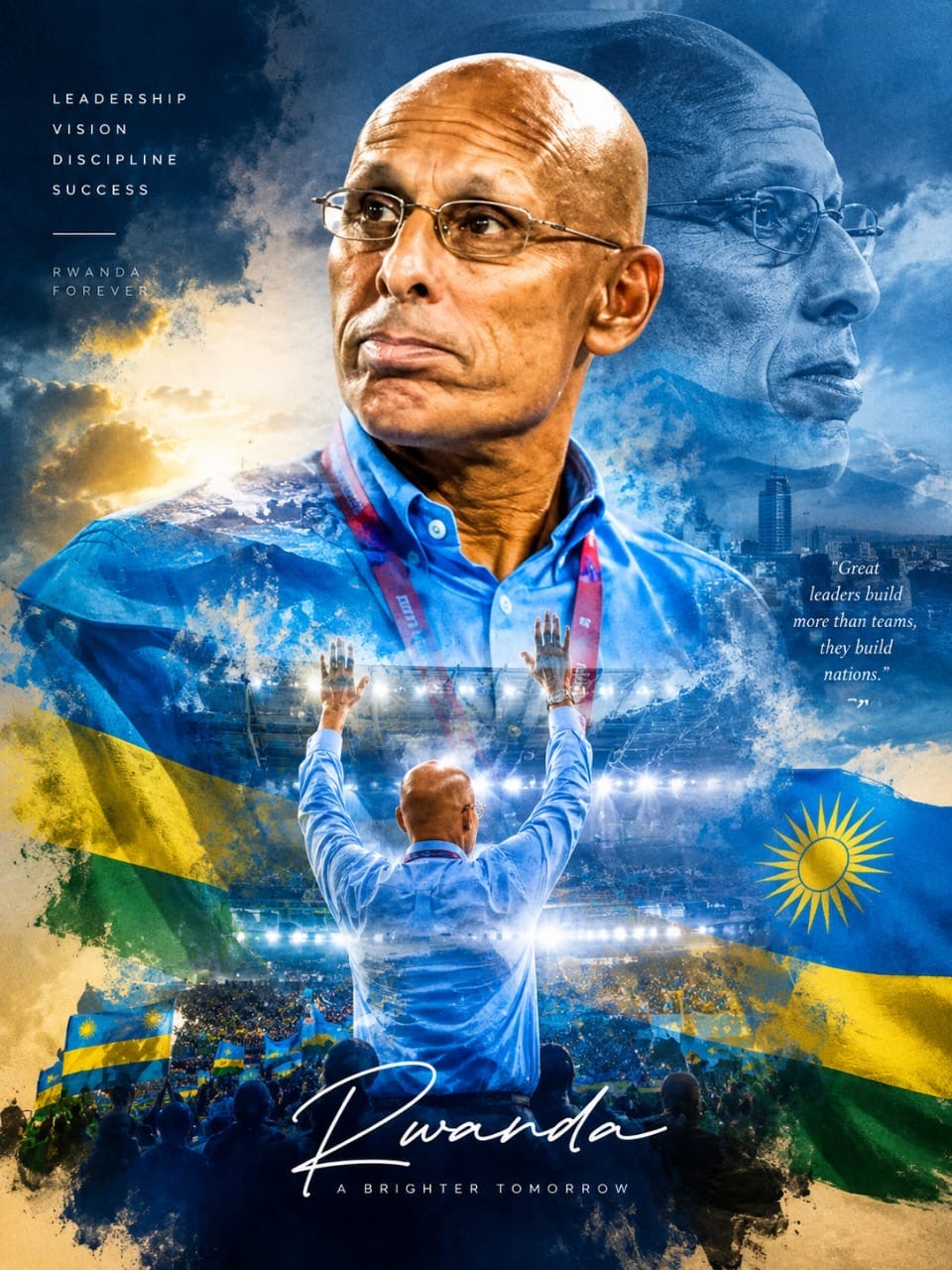
From Amavubi to U23: How Stephen Constantine Is Shaping Rwanda’s Football Future , it captures both his current responsibilities and Rwanda’s long-term ambition
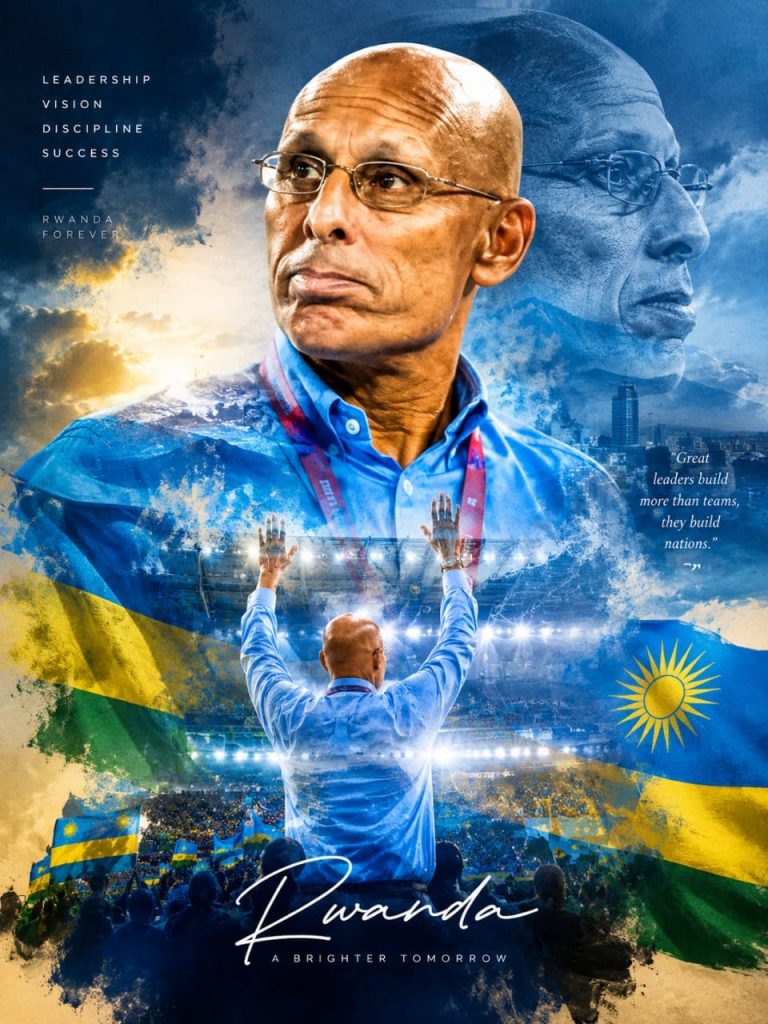
How has Stephen Constantine transformed the Amavubi into a competitive side while also guiding Rwanda’s U23 team?
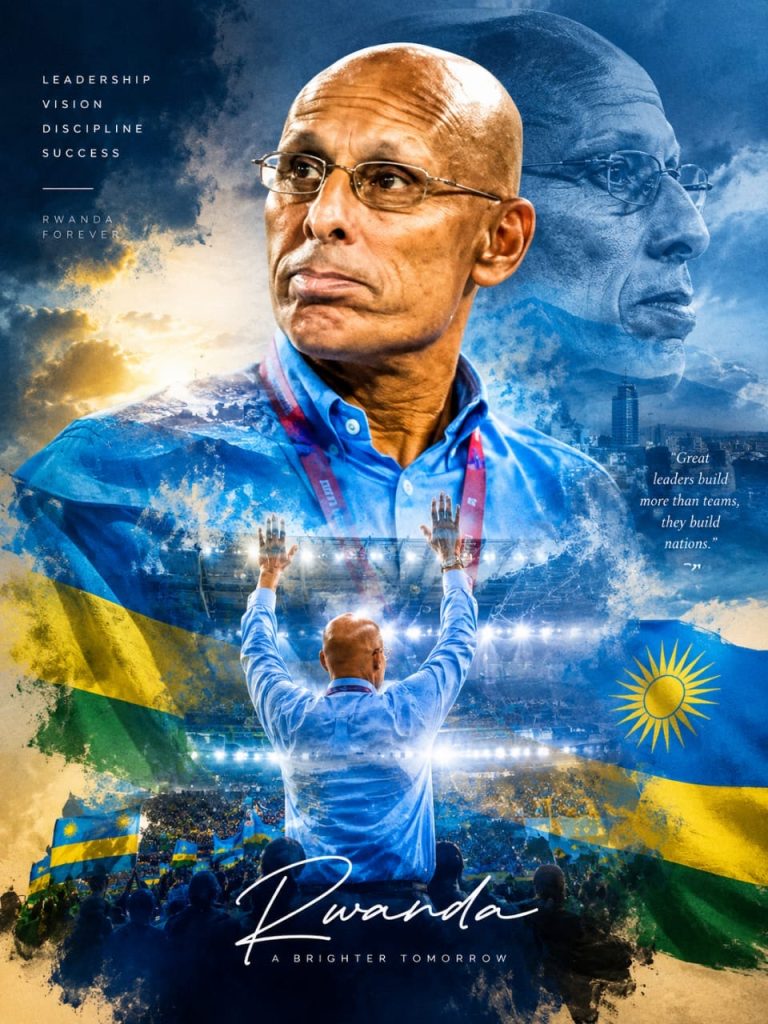
Rwanda’s football ambitions are gaining momentum under English coach Stephen Constantine, whose experience, tactical knowledge and approach to developing players have raised hopes among football fans.
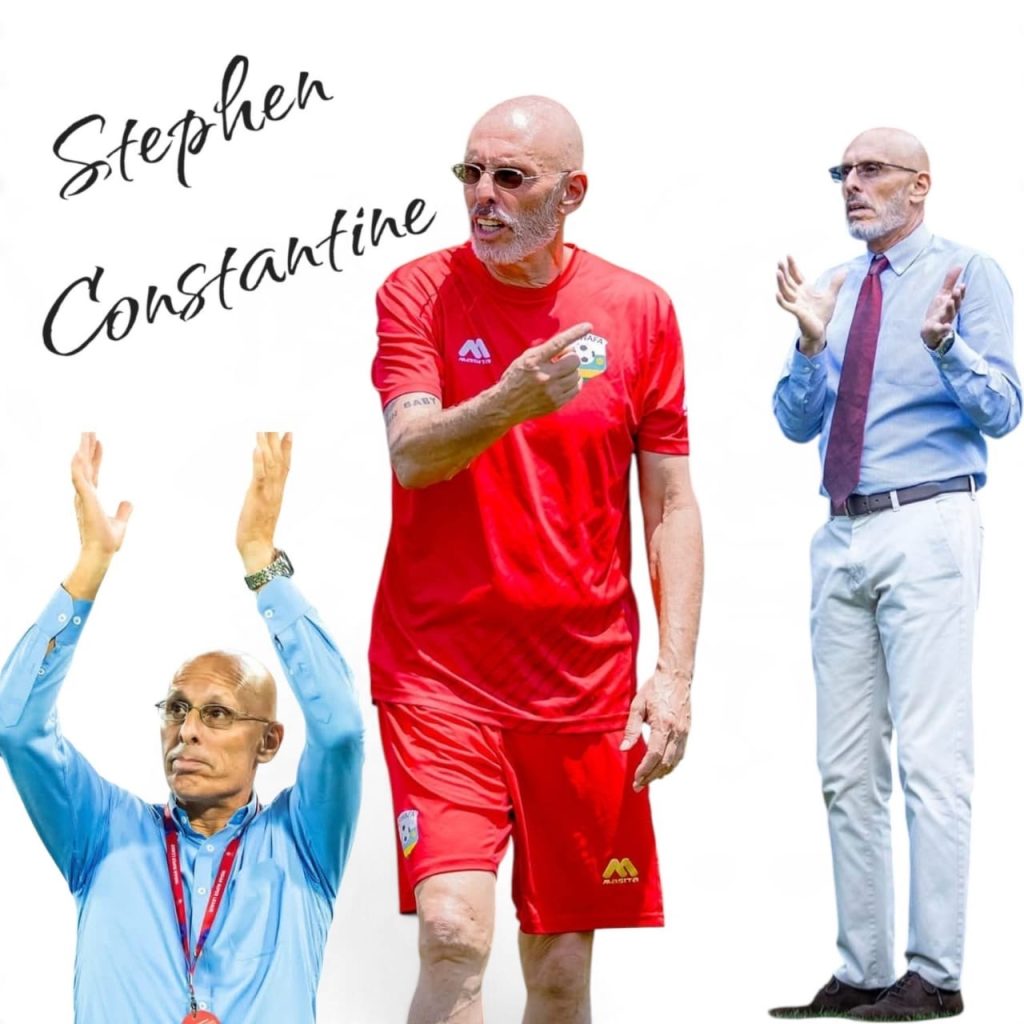
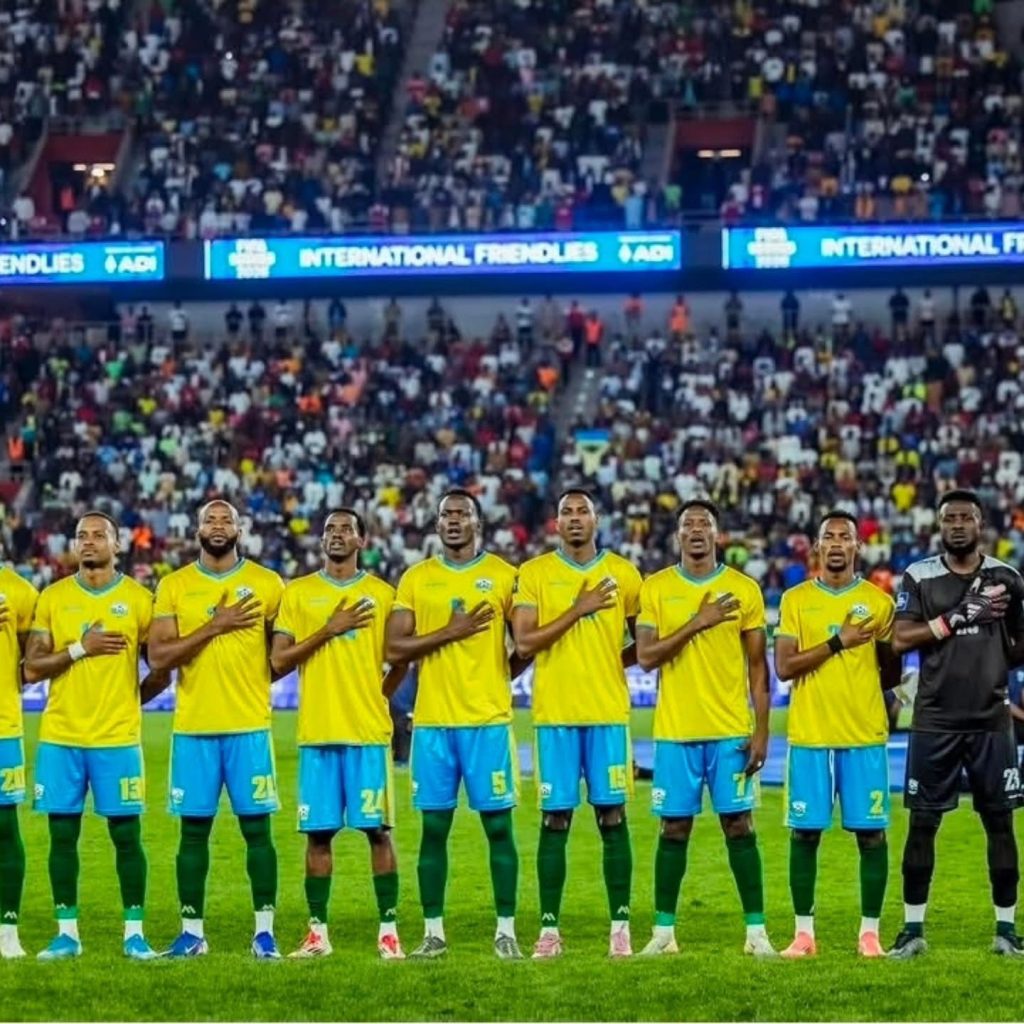
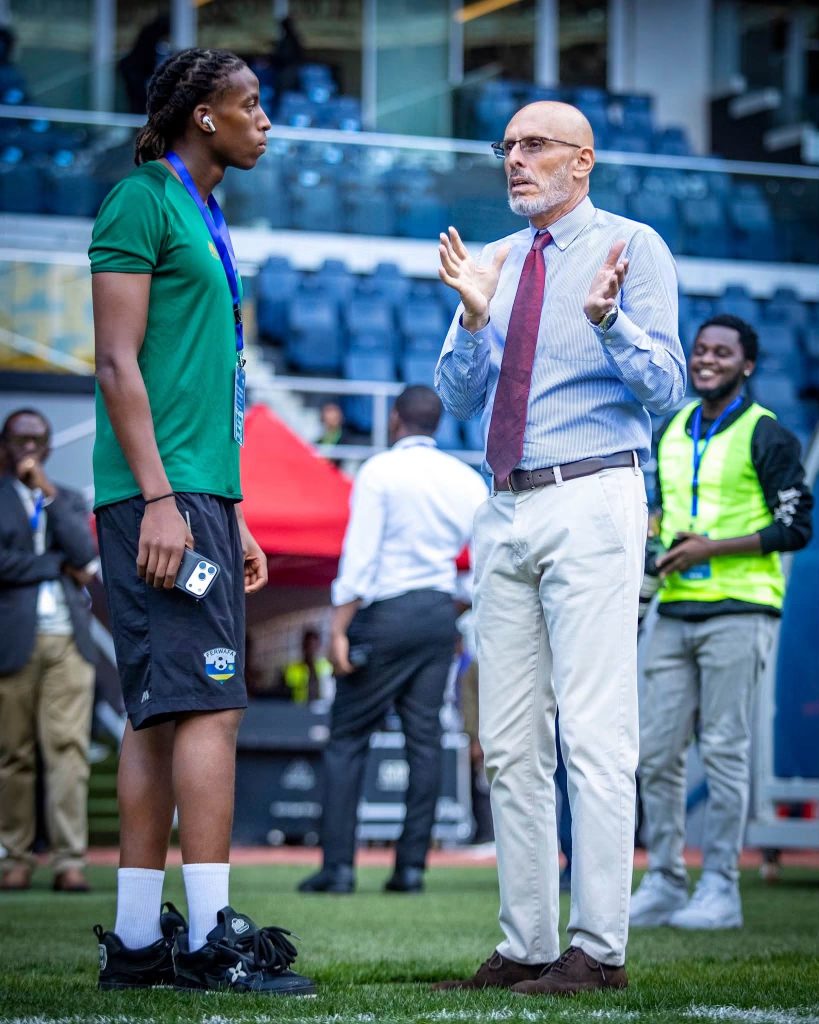
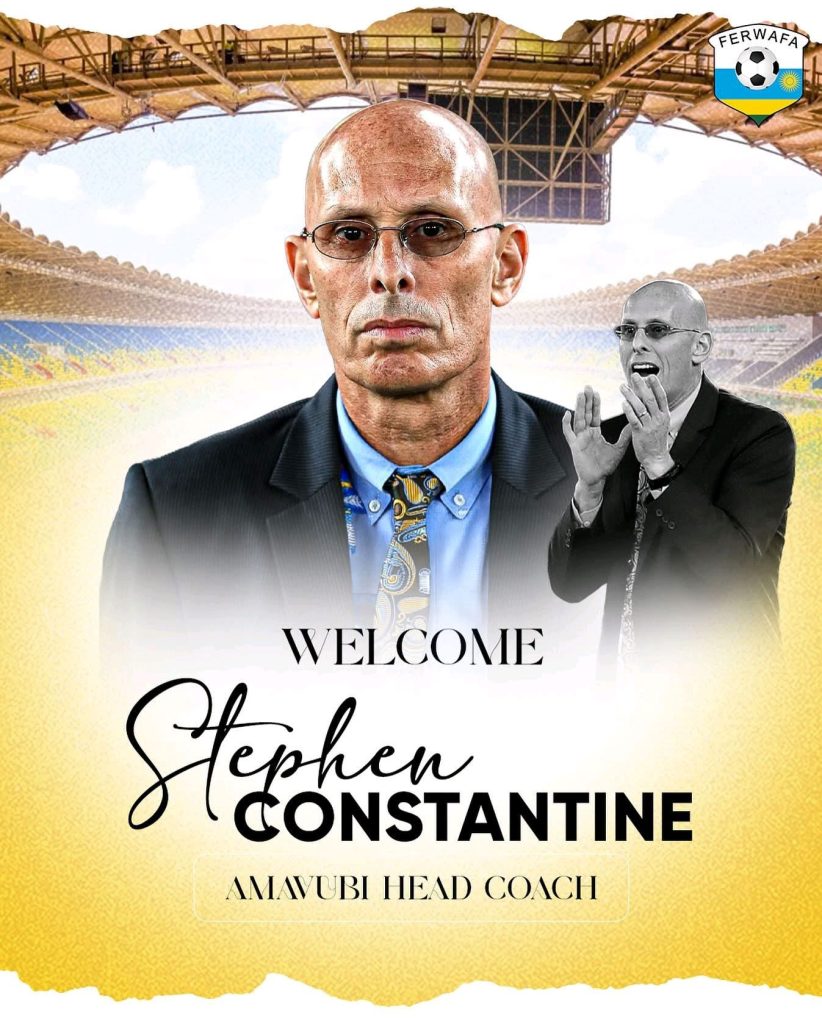
Since returning to Rwanda in March 2026, Constantine has taken charge of both the senior national team, Amavubi, and the U23 side. His appointment reflects Rwanda’s ambition to build a stronger national team while creating a pathway for young players to progress to senior international football.
But who is Stephen Constantine, where was he born, and what makes him such an interesting tactician?
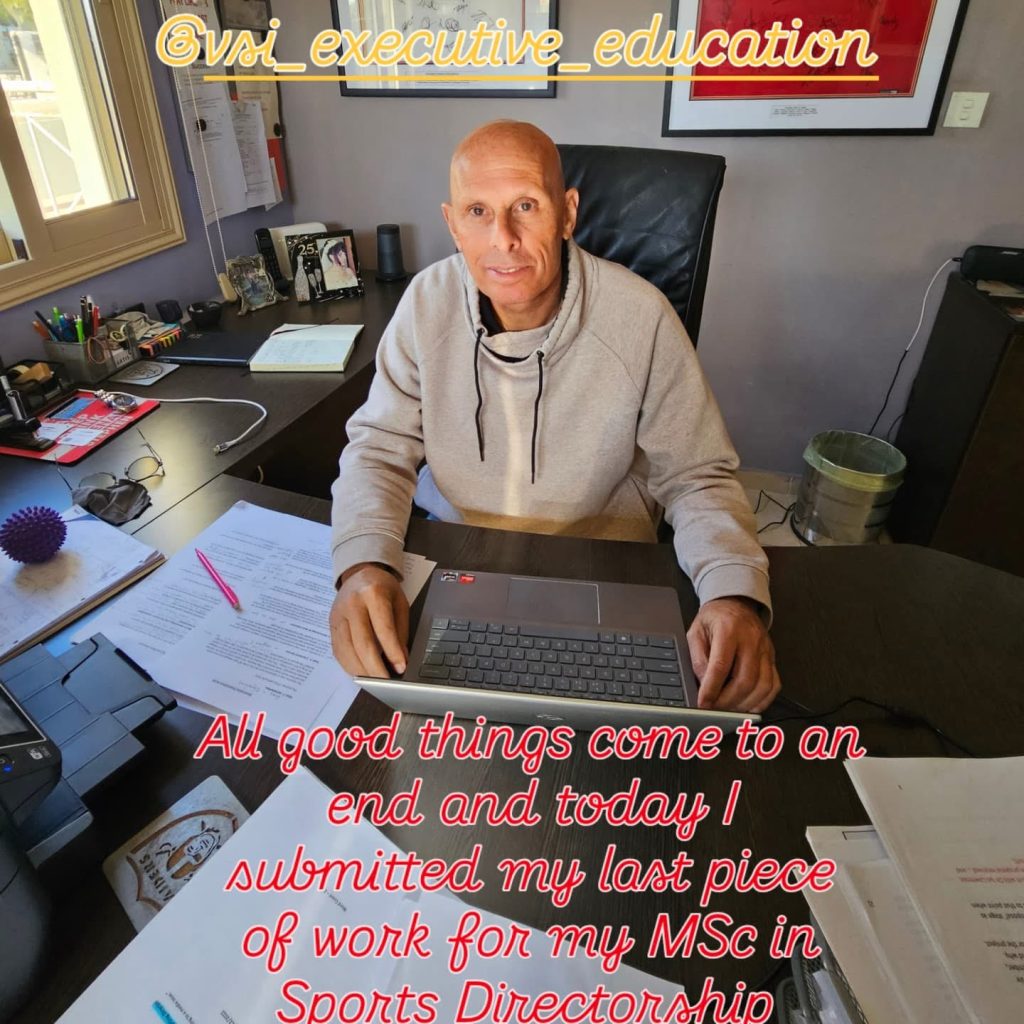
Who is Stephen Constantine?
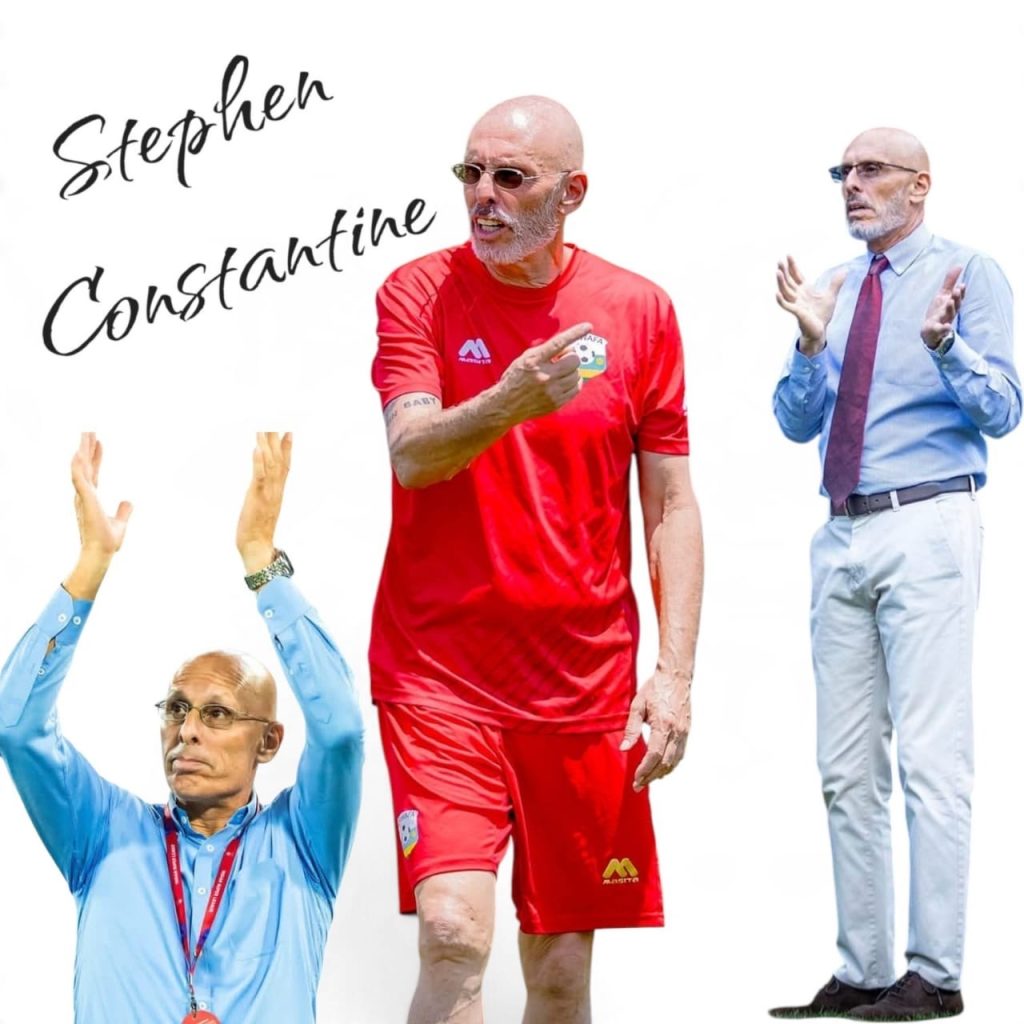
Stephen Constantine was born on October 16, 1962, in London, England. He is an experienced football coach who has managed national teams across Africa and Asia, including Rwanda, India, Nepal, Malawi, Sudan and Pakistan.
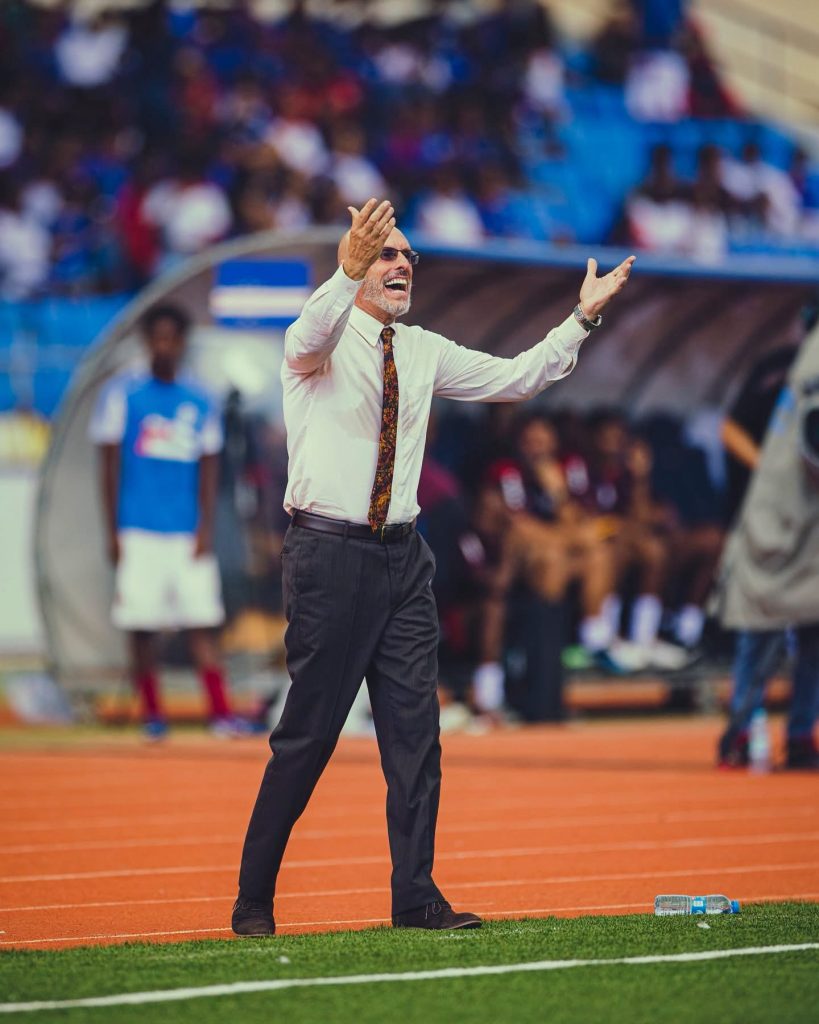
He first coached Rwanda between 2014 and 2015 before returning for a second spell in March 2026. His international experience has given him the opportunity to work with players from different football cultures and build competitive teams under varying circumstances.
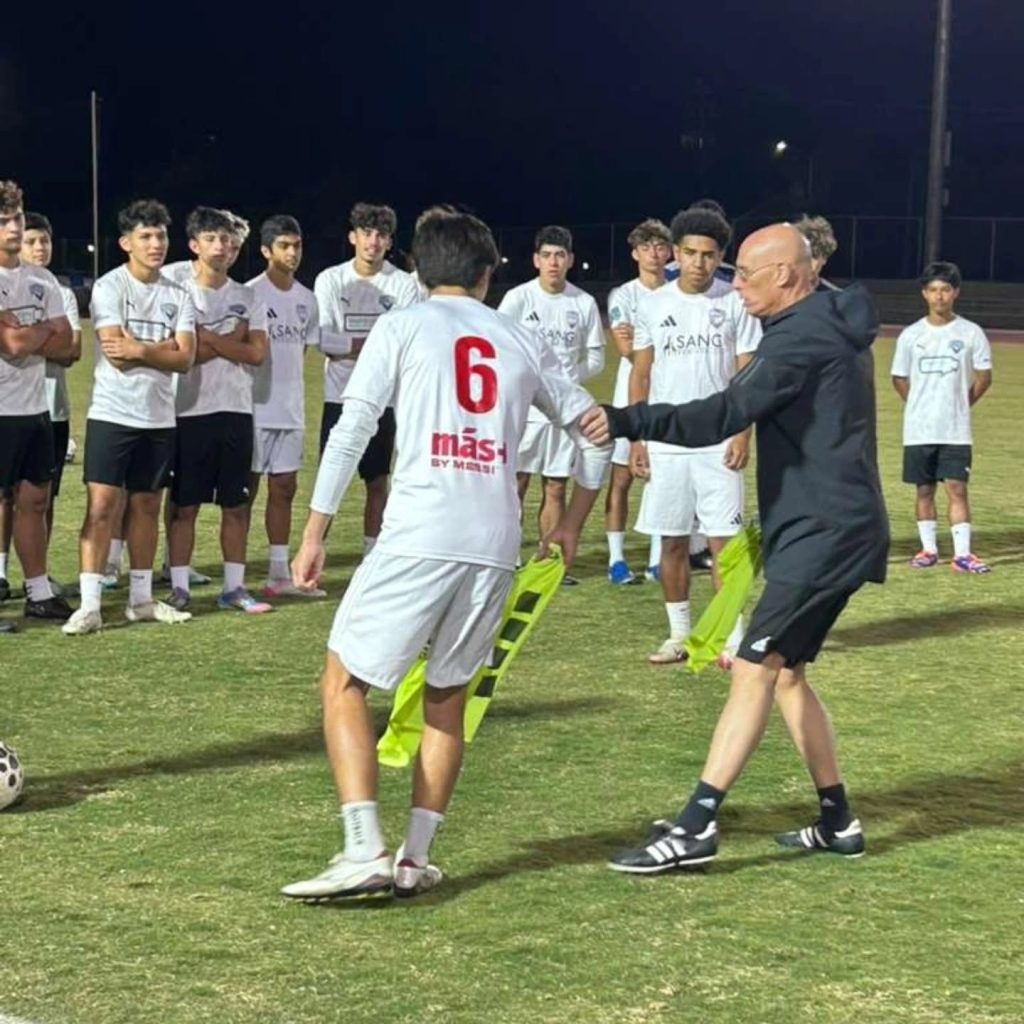
Constantine holds a UEFA Pro Licence, one of the highest coaching qualifications in European football. He has also worked as a FIFA instructor, contributing to coaching education and football development.
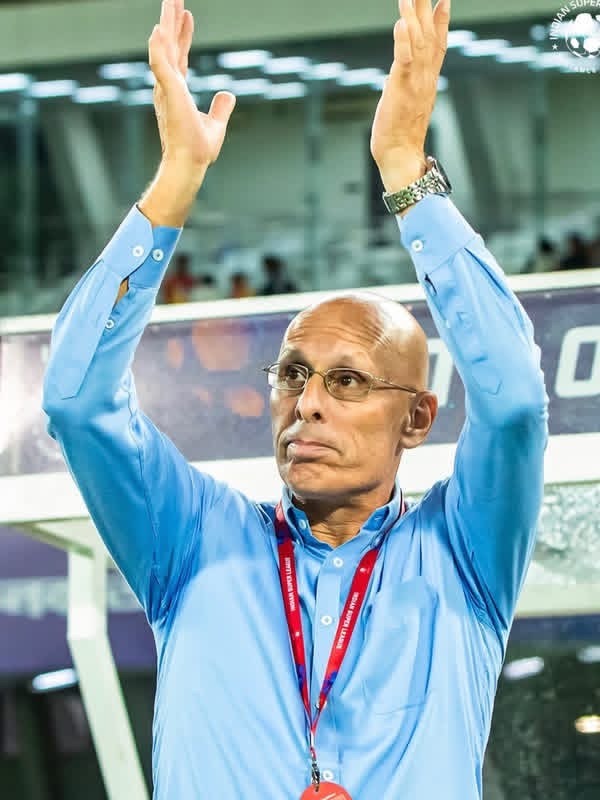
His career demonstrates a willingness to take on challenges in countries seeking to strengthen their position in international football.
Why is Constantine considered a strong tactician?
One of Constantine’s important qualities is his experience in international football. Coaching a national team is different from managing a club because coaches have limited time to work with players before matches.
A national-team coach must quickly identify players’ strengths, establish a tactical system and build understanding among footballers who may play for different clubs.
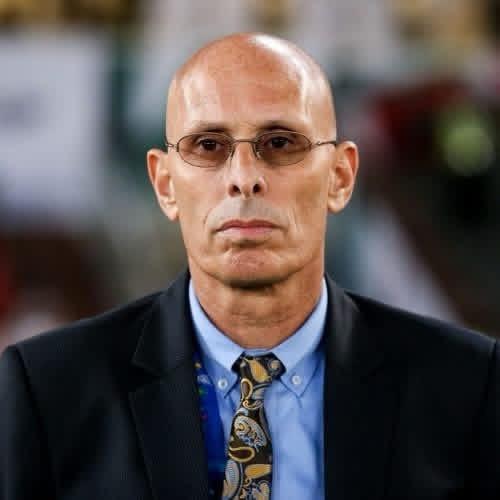
Constantine’s experience across several countries gives him a broad understanding of these challenges.
During his first spell in Rwanda, the country reached its highest-ever FIFA ranking at the time, climbing to 64th in March 2015, according to his career profile. That achievement remains an important part of his coaching history.
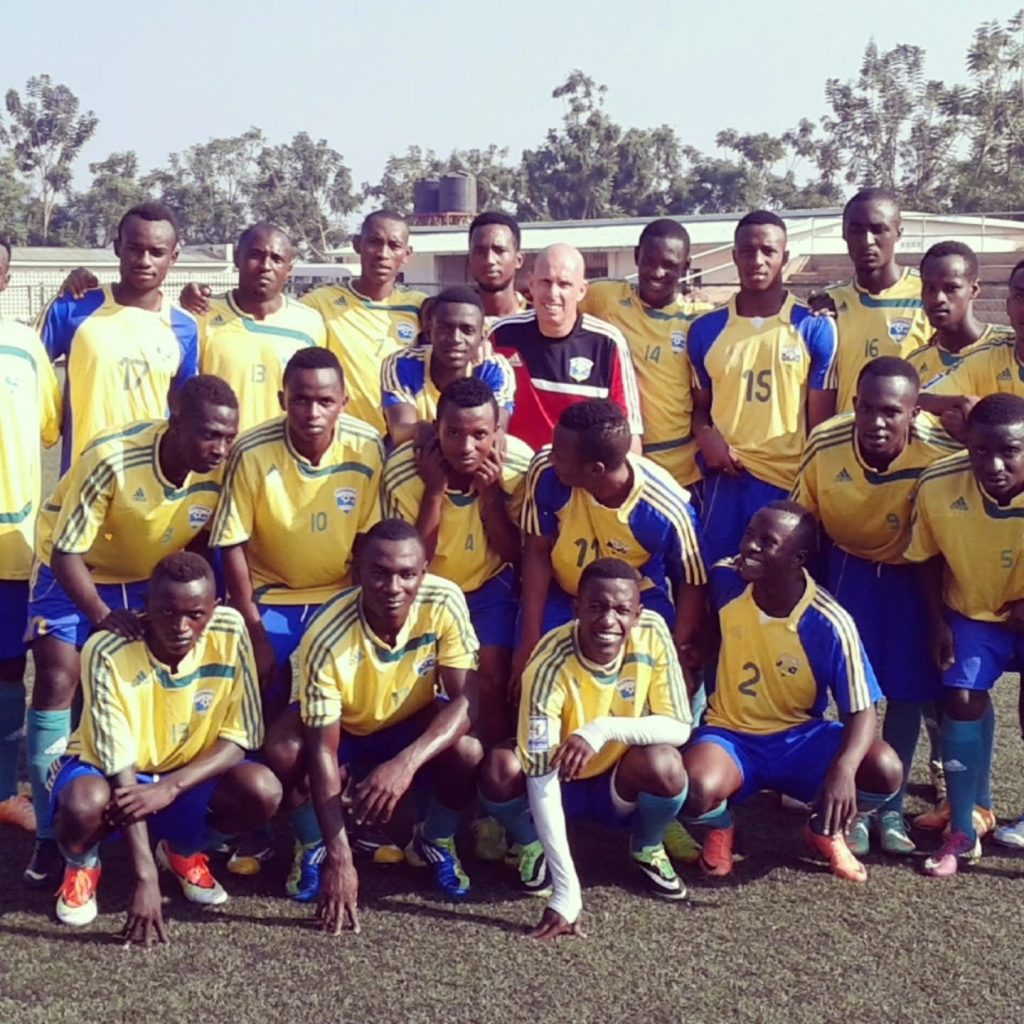
His return has renewed expectations that Rwanda can develop a team capable of competing more consistently against Africa’s stronger sides.
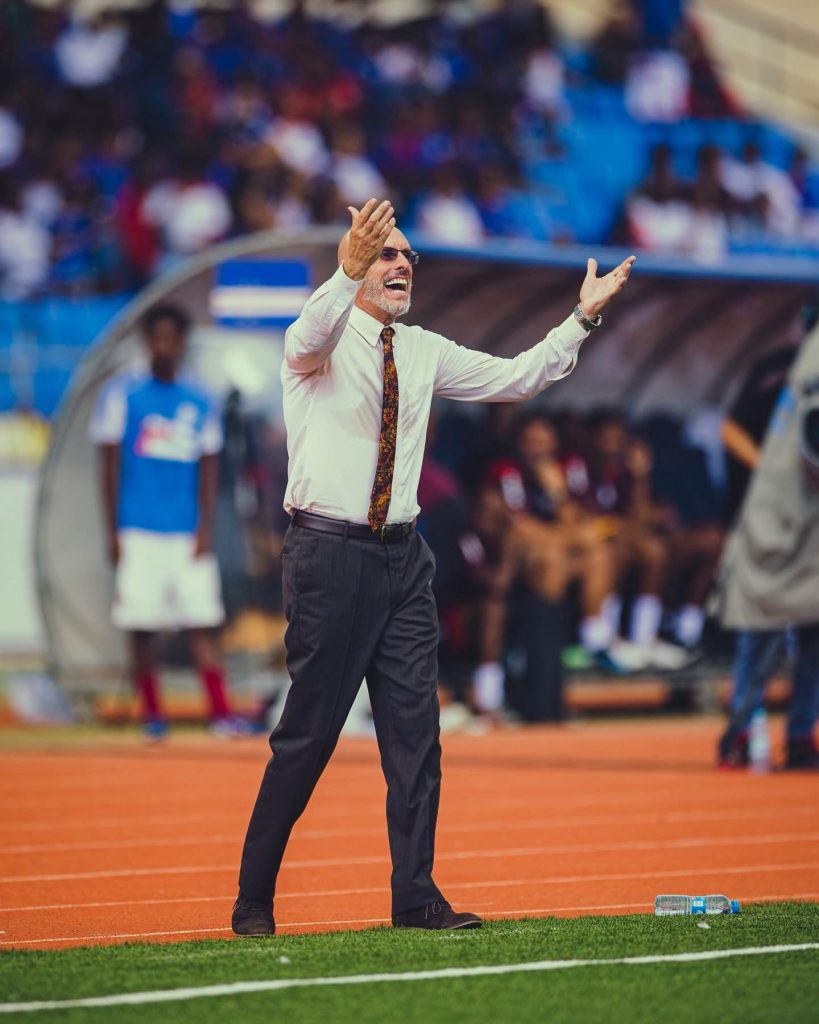
A vision that connects the senior team and U23
One of the most interesting aspects of Constantine’s current assignment is that he leads both Amavubi and Rwanda’s U23 national team.
This arrangement creates an opportunity to establish a shared football philosophy across the two squads. Young players can gain experience in the U23 team before competing for places in the senior side, helping Rwanda build continuity between generations.
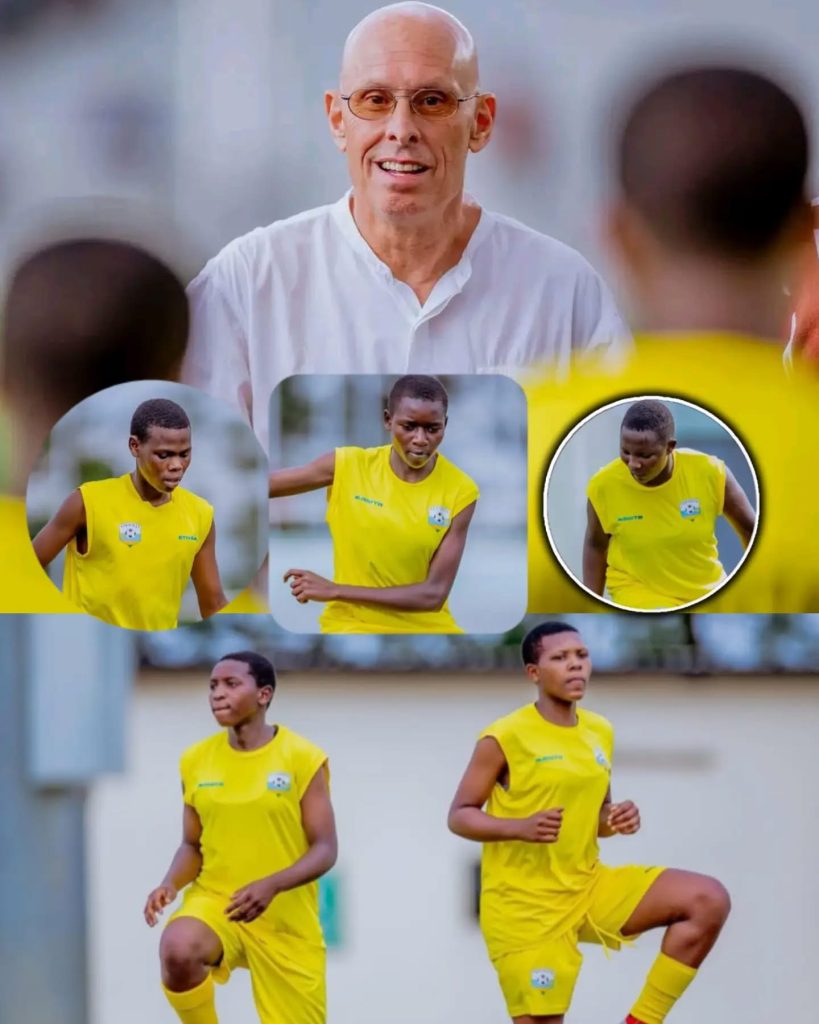
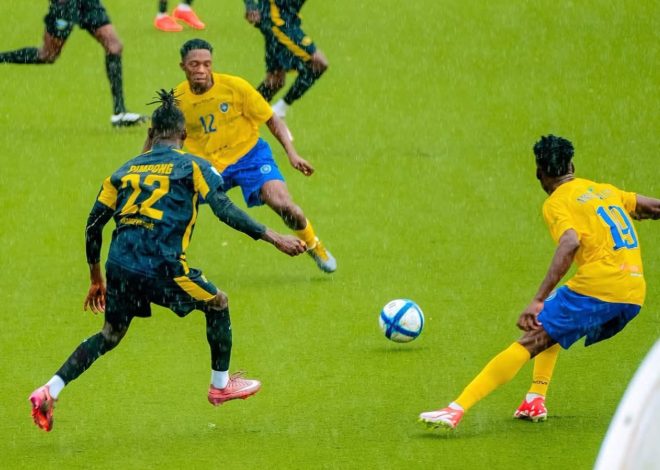
His work with the U23 team has also attracted attention. Rwanda defeated Sudan U23 3–0 in the first leg of their 2027 Africa U23 Cup of Nations qualifying tie before drawing 1–1 in the return leg, securing a 4–1 aggregate victory and progressing to the next round against Cameroon in November 2026.
These results provide encouraging evidence of the team’s progress under his leadership.
What about Rwanda’s U20 and U17 teams?
Rwanda’s long-term football dream should extend beyond the senior and U23 teams. Strong U20 and U17 sides are essential for developing young talent, preparing future Amavubi players and building a sustainable national-team structure.
However, Constantine’s confirmed appointment covers the senior men’s team and the U23 side. There is no confirmation in the cited appointment announcement that he directly coaches Rwanda’s U20 or U17 teams.
The bigger question is whether Rwanda can establish a coordinated development system in which the senior team, U23, U20 and U17 sides share consistent playing principles and development objectives.
Such coordination could help talented youngsters adapt more easily as they progress through the national-team ranks.
Can Constantine deliver Rwanda’s football dream?
Constantine has already experienced Rwandan football, and his return brings both opportunity and responsibility. Supporters want more than good performances in friendly matches; they want consistent results in competitive fixtures, stronger performances in African qualifiers and, ultimately, qualification for major tournaments.
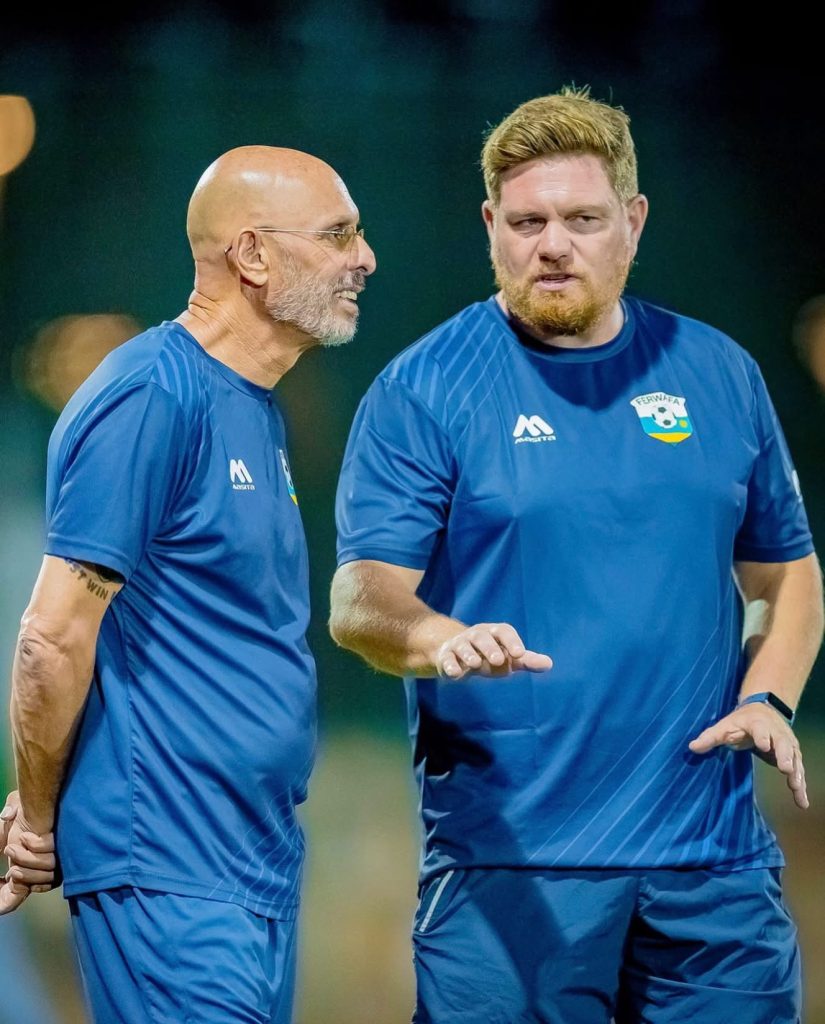
His experience and coaching qualifications offer reasons for optimism, but success will depend on several factors: player development, effective tactical preparation, cooperation between national teams, adequate resources and consistent support from football authorities.
Rwanda’s football dream cannot rest on one coach alone. Nevertheless, Constantine could play a significant role in helping the country build a stronger and more competitive national-team structure.
The challenge now is to turn promising performances into lasting progress.
The big question remains: Can Stephen Constantine help Rwanda establish a football identity that runs from the youngest national teams to the senior Amavubi and makes the country a regular competitor on the African stage

Related Posts
Joy-Lance Mickels Makes History as First Rwandan to Score in the UEFA Champions League Group Stage
BREAKING: Rwanda Secures Historic 10-Year Deal To Host Formula 1 Africa Grand Prix From 2030 – President Kagame Confirms